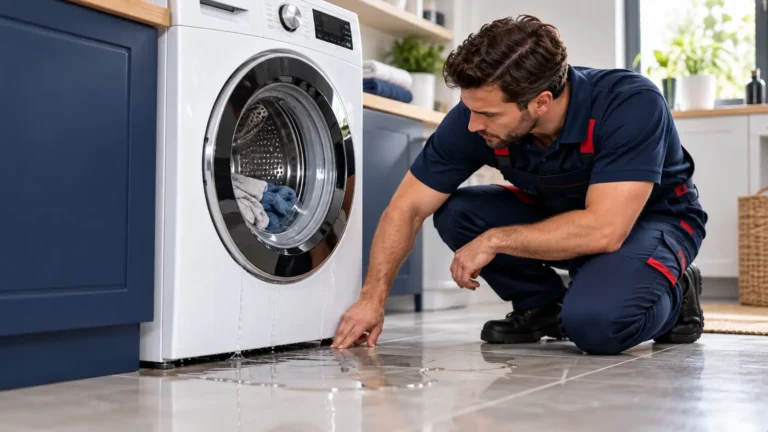

Simple, consistent care can improve appliance reliability and reveal small problems before they become disruptive.
Household appliances work through repeated heating, cooling, movement, water flow and electrical control. Small maintenance habits cannot prevent every failure, but they can reduce avoidable strain and help you notice changes early. The safest approach is to follow the manufacturer instructions, keep accessible areas clean, use the appliance correctly and request qualified help when a task involves internal components.
Read the care instructions for each appliance
Maintenance needs vary by model. A filter that is user-serviceable on one appliance may be inaccessible on another. Keep the manual or manufacturer reference available and follow its cleaning intervals, detergent guidance, ventilation clearances and load limits. Avoid generic dismantling advice that conflicts with the appliance design or warranty conditions.
Keep filters, seals and airflow paths clean
Washing-machine filters, dryer lint screens, refrigerator ventilation areas and air-conditioning filters can collect debris over time. Cleaning only the parts identified for routine user care helps water and air move as intended. Door gaskets should be wiped gently and inspected for cracks, residue or objects that prevent a proper seal. Never force covers or reach near moving or electrical parts.
Use correct loads and supplies
Overloading a washing machine or oven places additional stress on mechanical parts and can reduce performance. Use suitable detergent quantities, cookware and programmes. More detergent does not necessarily produce cleaner laundry; excess foam can affect rinsing and drainage. Balanced loads reduce vibration, while adequate space around refrigerated food supports airflow.
Respond to small changes
A new rattle, longer cycle, unusual smell, intermittent error or small leak is useful information. Note when it occurs and whether it is becoming more frequent. Continuing to operate an appliance through severe noise, overheating, electrical trips or active leakage can increase damage. Switch it off safely and arrange an inspection when a symptom suggests risk or internal failure.
Protect hoses and connections
Visually inspect accessible water hoses and power cords for damage, crushing or poor positioning. Do not use damaged cables or makeshift repairs. Make sure appliances are stable and that hoses are not stretched or sharply kinked. Connections involving gas, sealed refrigeration systems or internal wiring require appropriately qualified service rather than household adjustment.
Plan periodic professional checks when useful
Frequently used appliances, older equipment, or units showing declining performance may benefit from professional assessment. A technician can test components that are not available to routine visual inspection and explain whether a repair, adjustment or future replacement should be planned. Maintenance is most valuable when it is based on the actual model and condition.
Keep a simple appliance record
Record model and serial numbers, purchase information, previous repairs and recurring error codes. This saves time when booking service and helps identify patterns. Photographs of labels and fault displays can be useful. A clear history supports better decisions about repair costs and the remaining practical life of the appliance.
Create a realistic maintenance routine
A useful routine should be simple enough to follow. Add monthly reminders for visible seals, filters or ventilation areas that the manual identifies as user-serviceable, and seasonal reminders for less frequent cleaning. Pair the check with an existing household task so it is not forgotten. If you notice deterioration, record it rather than applying unapproved lubricants, chemicals or temporary repairs that may interfere with the appliance materials.
Know the limits of preventive care
Good maintenance supports reliability but cannot guarantee that a motor, pump, sensor, heater or electronic board will never fail. Age, usage, environment and component quality all matter. The goal is to reduce preventable stress, preserve normal airflow and water flow, and recognise symptoms early. Internal testing, refrigerant work, gas connections and electrical repairs should remain with appropriately qualified technicians using the correct procedures and equipment.
Key points
- Follow model-specific care instructions and clean only user-serviceable areas.
- Avoid overloading and use the correct detergent, programme and ventilation clearance.
- Act early when noise, leakage, overheating or repeated error codes appear.
Need help with an appliance problem?
Contact Midland Appliance Repair to discuss the appliance and arrange a suitable service visit.